-
Shop
- Adidas
- Advanced Technologies
- AI Skills Mastery 2026 Collection
- Apple Accessories
- Best-Sellers
- Car Accessories
- Dating & Social Confidence
- Dating & Social Skills
- Digital Resources
- Education & Learning
- Family & Parenting
- Fashion
- Fashion Accessories
- Furniture
- Gadgets
- Health & Beauty
- Health & Wellness
- Home & Garden
- Home Supplies
- Kids & Babies
- Kitchen Best-Sellers
- Lighting
- Nike
- Patio, Lawn & Garden
- Personal Growth
- Pet Care
- Pet Supplies
- Pets
- Shoes
- Sport & Outdoors
- Stress Relief & Relaxation
- Summer 2025 Fashion Collection
- Sunglasses
- Super Deals
- Travel
- Travel & Outdoors
- Wealth
- Wealth Building
- Women’s Wellness & Lifestyle
- Popular
- Best deals
Fade Dark Spots: Hyperpigmentation Routine & Checklist
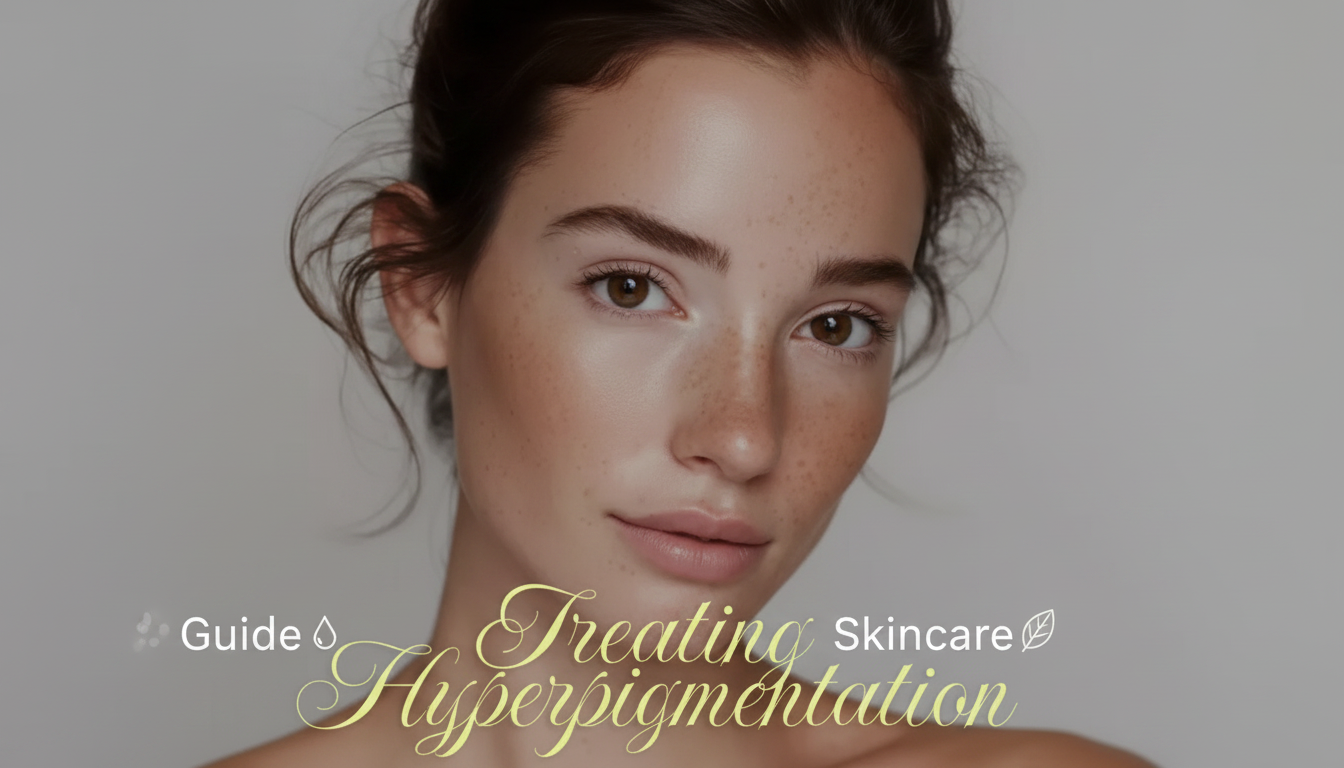
The Friendly Guide to Treating Hyperpigmentation: A Simple Plan, Ingredient Cheatsheet, and Routine Checklist
Hyperpigmentation can show up as dark spots, post-acne marks, melasma, or uneven patches that linger long after irritation or sun exposure. The most reliable approach is a calm, consistent routine: protect from UV and visible light, reduce inflammation, and use proven brightening actives at a pace skin can tolerate. This guide breaks down what causes discoloration, what actually helps, and how to follow a practical checklist without overdoing it.
What Hyperpigmentation Looks Like (and Why It Happens)
“Hyperpigmentation” is an umbrella term for areas where the skin produces or retains extra pigment. The most common patterns include:
- Post-inflammatory hyperpigmentation (PIH): flat brown-to-gray marks after acne, bug bites, eczema, or irritation.
- Sun spots (lentigines): clusters of darker dots that appear over time in sun-exposed areas.
- Melasma: blotchy, often symmetrical patches (commonly on cheeks, forehead, upper lip), frequently influenced by hormones and sun/visible light.
- Leftover redness: post-inflammatory erythema can look like “staining,” but it’s vascular (red/pink) rather than pigment (brown/gray).
Melanin production increases when skin gets triggered by UV exposure, visible light, heat, friction (rubbing or aggressive cleansing), inflammation (acne, dermatitis), hormones, or irritating products. Deeper skin tones are often more prone to PIH because melanocytes can respond more strongly to inflammation and irritation.
A realistic timeline helps keep routines steady: noticeable fading often takes 8–12 weeks of consistent sun protection plus gentle actives. Deeper pigment or hormonally driven melasma can take longer and often relapses if protection slips.
Start With the Non‑Negotiables: Sun Protection and Barrier Care
If discoloration is the issue, daily sunscreen is the foundation. Without it, most brightening steps stall, plateau, or backslide.
- Use broad-spectrum SPF 30+ every morning (even on cloudy days). If you’re near windows or driving, UVA exposure still counts.
- Reapply outdoors (especially midday). Add shade and a hat when UV is intense.
- Consider visible-light protection if melasma is a concern—tinted formulas with iron oxides can help, alongside standard broad-spectrum UV coverage.
Barrier care is the other “unsexy” cornerstone: gentle cleansing and moisturizing reduces irritation-driven pigment. Tightness, stinging, or peeling usually signals that the routine is too aggressive. Avoid common triggers like picking acne, harsh scrubs, strong fragrance, and stacking multiple new actives at once.
For a straightforward, organized approach to staying consistent day-to-day, the The Friendly Guide to Treating Hyperpigmentation (digital download) lays out a simple plan and checklist you can reference while refining your routine.
Ingredient Cheatsheet: What Helps and How to Use It
Dark spots fade best when you reduce new pigment triggers while gently nudging pigment pathways over time. These ingredients are common options (choose based on tolerance and goals):
Brighteners that target pigment pathways
- Vitamin C: helps brighten and support antioxidant protection; often easiest in the morning under sunscreen.
- Azelaic acid: helpful for PIH and acne-prone skin; generally well tolerated, but start slowly.
- Niacinamide: supports barrier function and helps uneven tone; pairs well with many routines.
- Tranexamic acid: popular for stubborn discoloration and melasma support.
- Kojic acid, licorice root, alpha arbutin: supportive brighteners that can be useful in rotation.
Exfoliants (use sparingly to avoid inflammation)
- AHAs (lactic, glycolic): can improve dullness and surface tone by encouraging turnover.
- BHAs (salicylic): helpful if clogged pores and breakouts are part of the pigment cycle.
Retinoids for gradual, steady improvement
Melasma notes: protect, then treat
For melasma, strict UV and visible-light protection matters most, followed by gentle actives like tranexamic acid or azelaic acid. Heat management can also matter—if flare-ups track with hot yoga, saunas, or high-heat environments, dial it back and see if patches stabilize. If you do use heat-based wellness tools like an Infrared Sauna for One Person, consider shorter sessions and watch for melasma worsening.
How to introduce actives without triggering more spots
Skincare Routine Checklist (AM/PM) That Stays Consistent
| Step | AM | PM | Notes |
|---|---|---|---|
| Cleanser | Gentle cleanse or rinse | Gentle cleanse | Avoid stripping; lukewarm water |
| Treatment (optional) | Vitamin C or niacinamide | Azelaic acid / retinoid / tranexamic (choose one) | Introduce one active at a time |
| Moisturizer | Yes | Yes | Look for ceramides, glycerin, squalane |
| Sunscreen | SPF 30+ broad-spectrum | — | Reapply outdoors; consider tinted formulas for visible light |
| Exfoliation | — | 1–2 nights/week (AHA or BHA) | Skip on retinoid nights if sensitive |
If you prefer a ready-made tracker you can pull up on your phone while shopping or planning your week, The Friendly Guide to Treating Hyperpigmentation (digital download) is built around a simple routine checklist and ingredient guidance.
Common Mistakes That Keep Dark Spots Around
When to Consider Professional Help
For additional background, the American Academy of Dermatology Association has patient-friendly information on dark spots, and the Mayo Clinic offers an overview of melasma. General sun-safety guidance is also available via NIH MedlinePlus.
A Ready-to-Use Digital Guide and Checklist
For an organized path that keeps prevention front and center, explore The Friendly Guide to Treating Hyperpigmentation (digital download).
FAQ
How long does it take for hyperpigmentation to fade?
Many people see noticeable fading in about 8–12 weeks with consistent daily sunscreen and a gentle brightening routine. Deeper PIH and melasma often take longer, and progress depends heavily on preventing new triggers (especially UV and irritation).
Can retinoids and exfoliating acids be used together for dark spots?
Yes, but combining them on the same night often increases irritation, especially for sensitive skin. Alternating nights (retinoid one night, acid another) and starting slowly usually gives better long-term results.
Is tinted sunscreen helpful for melasma?
Tinted sunscreen can be helpful because it may add protection against visible light (often via iron oxides), which can worsen melasma in some people. It still needs to be broad-spectrum SPF 30+ and reapplied when outdoors.
Recommended for you



Stress Signs in Women: 5-Minute Weekly Checklist
Jul 24, 2026
Disposable Brush Cleaner: Clean Color Swaps Fast
Jul 24, 2026













Leave a comment