-
Shop
- Adidas
- Advanced Technologies
- AI Skills Mastery 2026 Collection
- Apple Accessories
- Best-Sellers
- Car Accessories
- Dating & Social Confidence
- Dating & Social Skills
- Digital Resources
- Education & Learning
- Family & Parenting
- Fashion
- Fashion Accessories
- Furniture
- Gadgets
- Health & Beauty
- Health & Wellness
- Home & Garden
- Home Supplies
- Kids & Babies
- Kitchen Best-Sellers
- Lighting
- Nike
- Patio, Lawn & Garden
- Personal Growth
- Pet Care
- Pet Supplies
- Pets
- Shoes
- Sport & Outdoors
- Stress Relief & Relaxation
- Summer 2025 Fashion Collection
- Sunglasses
- Super Deals
- Travel
- Travel & Outdoors
- Wealth
- Wealth Building
- Women’s Wellness & Lifestyle
- Popular
- Best deals
3L Hot Water Dispenser: 4 Temps, Steel Boiler Guide
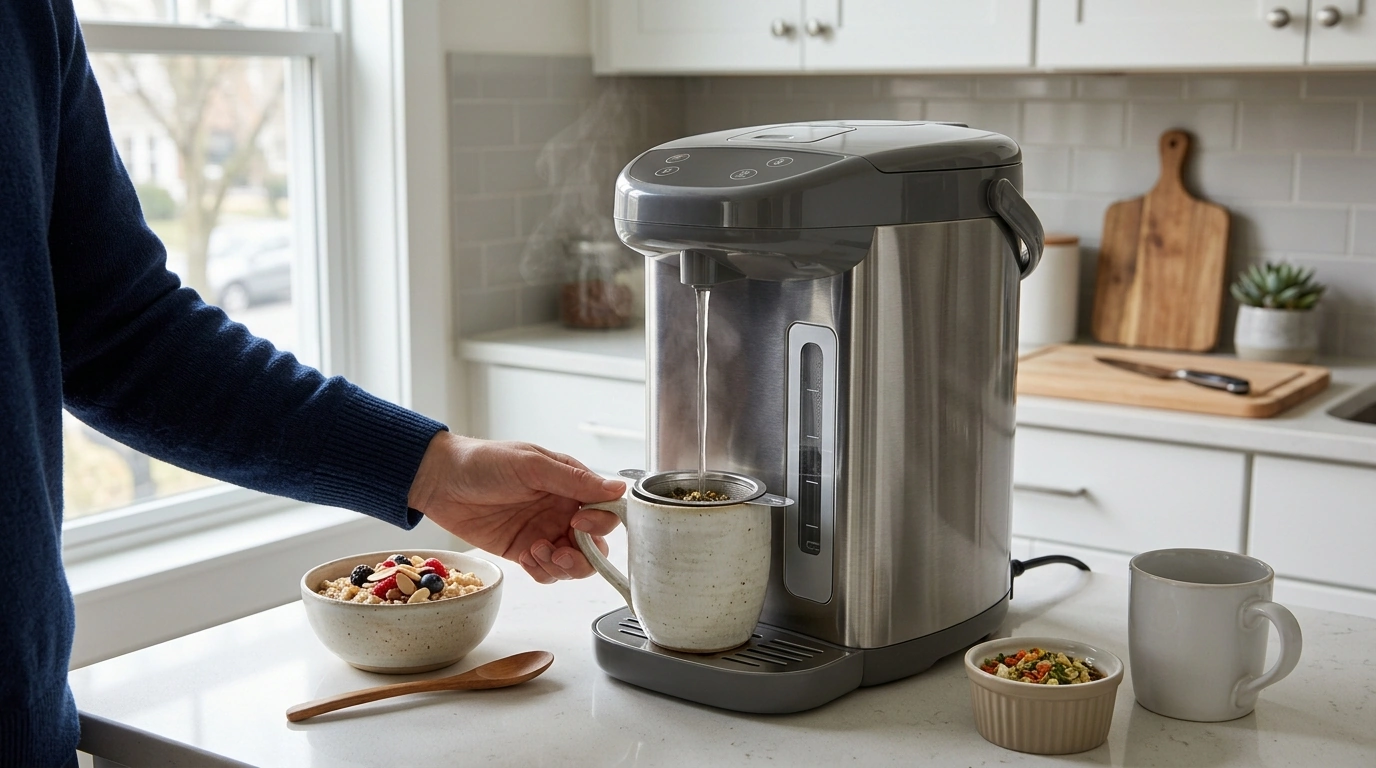
Hot Water, Right When You Need It
A temperature-selectable hot water dispenser makes everyday drinks and quick meals easier by delivering near-instant hot water at the right heat level. With a 3L stainless steel boiler and four preset temperatures, this style of countertop unit supports everything from delicate tea to coffee, oatmeal, and instant soups—while reducing kettle waiting time and repeated reheating.
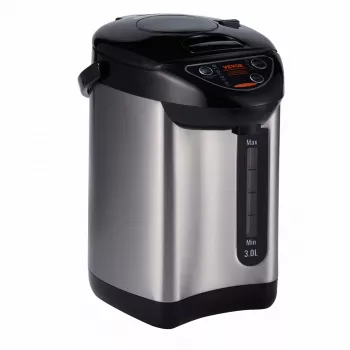
If you want a simple, high-utility countertop setup, the Hot Water Dispenser with 4 Temperature Settings, 3L Stainless Steel Boiler is built around the features people use most: capacity, temperature control, and easy dispensing.
What a temperature-selectable hot water dispenser does well
- Delivers hot water on demand for tea, coffee, cocoa, baby formula (follow manufacturer guidance), ramen, oatmeal, and preheating mugs.
- Four temperature presets help avoid overheating sensitive drinks while still reaching hotter settings for bold coffee or quick foods.
- A 3L tank reduces refill frequency in busy kitchens, shared spaces, and small offices.
- Countertop footprint keeps setup simple without plumbing, making it suitable for apartments, dorm-style living, or breakrooms.
Key features to look for in a stainless-steel-boiler model
- Stainless steel boiler: Supports durability and can help reduce taste transfer compared with some plastic-only heating paths.
- Temperature presets: Useful for matching common beverage ranges (warm, hot, very hot, near-boiling) without manual guesswork.
- Dispense control: Steady flow and easy-to-use buttons/lever help prevent splashes and improve one-hand operation.
- Water level visibility: A clear indicator reduces dry-running risk and helps plan refills.
- Safety features: Overheat protection, boil-dry protection, and a child-safety lock (if included) for households with kids.
- Keep-warm functionality: Maintains a selected temperature, reducing repeated boil cycles and wait time.
Along with convenience, temperature control can support better everyday food handling habits—especially when you’re trying to bring foods out of the “Danger Zone” (40°F to 140°F) more quickly during prep. Hot water isn’t a replacement for proper cooking, but it can speed up steps like dissolving mixes or jump-starting soup bases.
Everyday temperature guide for common drinks and foods
Four presets typically cover most daily needs, from “warm enough” for gentle steeping up to near-boiling for rapid hydration foods. A quick rule of thumb: the more delicate the leaf (or the more aroma-forward the drink), the less it likes near-boiling water.
- Lower settings suit green tea, delicate herbal blends, and warming cups without scorching.
- Mid settings work well for most black teas, instant coffee, and hot chocolate.
- Higher settings are useful for pour-over coffee, instant noodles, and quickly dissolving drink mixes.
- Near-boiling settings support French press preheat, rapid soup prep, and tasks that typically call for freshly boiled water.
Typical temperature ranges by use
| Use case | Common range (°C) | Common range (°F) | Notes |
|---|---|---|---|
| Green tea / delicate herbal | 70–80 | 158–176 | Helps reduce bitterness and preserves aroma. |
| Black tea / oolong | 85–96 | 185–205 | Hotter water increases extraction for fuller flavor. |
| Coffee (pour-over) | 90–96 | 194–205 | Often recommended for balanced extraction. |
| Instant noodles / soups | 95–100 | 203–212 | Near-boiling speeds hydration and heat-through. |
For coffee, many brewing best practices land in the mid-190s to low-200s °F range; for a deeper reference point, see the Specialty Coffee Association guidance on brewing standards and protocols.
How to use and place it for best results
- Placement: Set on a flat, heat-resistant surface with space around vents and away from edge-of-counter traffic areas.
- Water: Fill to the indicated level; avoid overfilling to reduce splashing during heating and dispensing.
- Preheat routine: For coffee and tea, warming the cup with a small dispense can improve final drink temperature.
- Dispensing: Use shorter bursts for small mugs; for larger vessels, keep the container centered under the spout to reduce drips.
- Routine refresh: If water sits for extended periods, consider emptying and refilling for better taste.
If your tap water taste varies by season or location, starting with better water can make every cup better. The CDC’s drinking water basics are a helpful overview of common treatment and quality considerations.
Cleaning and descaling for a stainless steel boiler
- Exterior: Wipe with a soft cloth; avoid abrasive pads that can scratch finishes.
- Tank hygiene: Follow the manual for periodic rinse cycles, especially if the unit is used daily.
- Descaling frequency: Depends on local water hardness; visible mineral buildup or slower heating are common cues.
- Descaling method: Use manufacturer-approved descaler or a mild citric-acid solution if permitted; rinse thoroughly to prevent aftertaste.
- Filter considerations: If the model supports filters, replace on schedule to reduce limescale and improve taste.
Who this 3L, 4-setting format fits best
Product snapshot
Ready to simplify hot drinks and quick meals? See the Hot Water Dispenser with 4 Temperature Settings, 3L Stainless Steel Boiler for current pricing and availability.
For a comfort-focused add-on to an at-home routine, you can also browse the Infrared Sauna for One Person.
FAQ
Is a stainless steel boiler better than plastic for hot water taste?
Stainless steel heating chambers can reduce taste transfer and tend to be durable, but overall taste still depends on your water quality, regular cleaning/descaling, and whether any other parts of the water path use plastic.
How often should a hot water dispenser be descaled?
A practical range is monthly in hard-water areas to about quarterly in softer-water areas. If heating slows down or you see mineral buildup, it’s time to descale—always follow the manufacturer’s instructions.
Which temperature setting should be used for tea and coffee?
Lower settings are typically best for green tea, while mid-to-high settings suit black tea and most coffee. Near-boiling can over-extract delicate teas, so adjust to taste and the specific tea type.
Recommended for you

Soft Plush Farm Animals Sensory Playhouse for Kids
Aug 21, 2026










Leave a comment