-
Shop
- Adidas
- Advanced Technologies
- AI Skills Mastery 2026 Collection
- Apple Accessories
- Best-Sellers
- Car Accessories
- Dating & Social Confidence
- Dating & Social Skills
- Digital Resources
- Education & Learning
- Family & Parenting
- Fashion
- Fashion Accessories
- Furniture
- Gadgets
- Health & Beauty
- Health & Wellness
- Home & Garden
- Home Supplies
- Kids & Babies
- Kitchen Best-Sellers
- Lighting
- Nike
- Patio, Lawn & Garden
- Personal Growth
- Pet Care
- Pet Supplies
- Pets
- Shoes
- Sport & Outdoors
- Stress Relief & Relaxation
- Summer 2025 Fashion Collection
- Sunglasses
- Super Deals
- Travel
- Travel & Outdoors
- Wealth
- Wealth Building
- Women’s Wellness & Lifestyle
- Popular
- Best deals
Soft Plush Farm Animals Sensory Playhouse for Kids
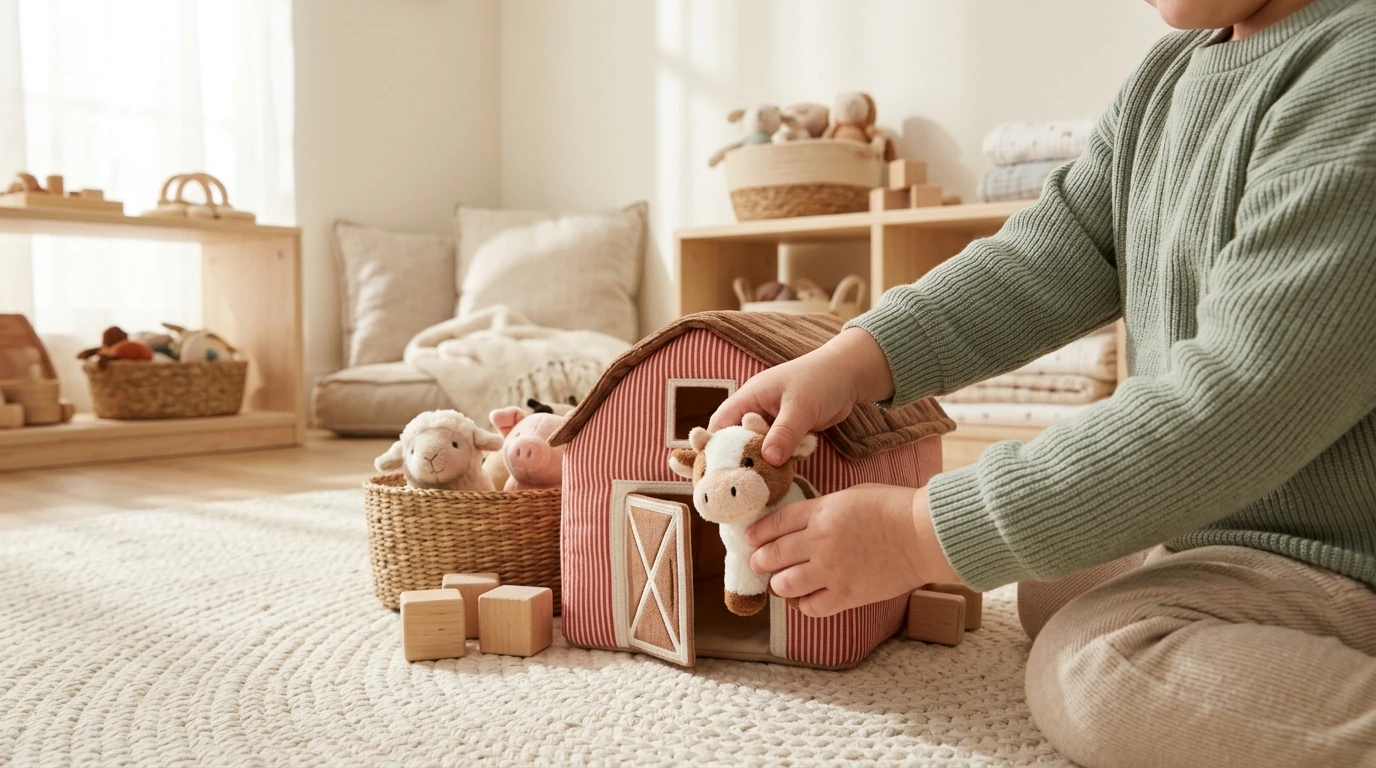
Soft Plush Farm Animals Sensory Playhouse Set for Kids
A cozy playhouse set with soft plush farm animals can turn everyday play into a calming, imaginative routine—supporting sensory exploration, early language, and gentle role-play at home or on the go. The soft feel invites hugs and squeezes, while the simple “farm world” theme makes it easy for kids to understand what to do next: care for the animals, make their sounds, and build little stories that feel familiar and safe. For more guidance, see Play at Home.
What’s Included and How It’s Used
A plush farm playhouse set typically centers on soft animal figures paired with a simple playhouse-style setup that helps kids create scenes. The plush pieces are made for hands-on interaction—squeezing, hugging, arranging, and moving them through “barn” routines like feeding time, resting time, or a pretend morning roll-call. For further reading, see Books/Toys – Blind/Visually-Impaired Early Services of ….
- Soft plush farm animal figures designed for gentle squeezing, hugging, and pretend play
- Playhouse-style setup that encourages kids to create scenes (barn routines, feeding time, animal sounds)
- Easy to incorporate into quiet time, story time, or a simple “farm day” play station
- Works well for solo play, sibling play, or caregiver-guided games like naming animals and colors
For a ready-to-go option, see the Soft Plush Farm Animals Sensory Playhouse Set for Kids—a simple way to add a screen-free, comfort-first activity to a playroom, nursery, or travel bag.
Sensory Play Benefits for Early Development
Soft plush farm play supports multiple early skills at once without needing lights, sounds, or complicated rules. The “just right” level of stimulation matters: many kids stay engaged longer when a toy feels predictable and gentle.
- Tactile input: soft textures can be comforting for kids who seek calming touch experiences
- Imaginative play: acting out routines helps build narrative skills and emotional expression
- Early language: animal names, sounds, and simple farm actions expand vocabulary naturally
- Fine-motor practice: grasping, placing, and arranging plush pieces supports hand control
- Social skills: turn-taking and sharing roles (farmer, caretaker, animals) builds cooperation
If you like tying play to age-appropriate milestones, the CDC’s developmental milestones hub is a helpful reference for what many children work on during the toddler and preschool years: CDC: Important Milestones. For practical toy-selection guidance and safety considerations, this overview is also useful: AAP: Selecting Appropriate Toys for Young Children.
Play Ideas by Skill Focus
| Skill focus | Simple activity | What to say during play |
|---|---|---|
| Language | Match animal to a sound | “Which one says moo? What does it eat?” |
| Fine motor | Place animals in “stalls” or corners | “Let’s move them gently—one at a time.” |
| Social-emotional | Comfort routine for an “anxious” animal | “It’s okay—let’s give a soft hug and rest.” |
| Cognitive | Sort by type or pretend habitat | “Who lives in the barn? Who stays outside?” |
Comfort-First Design: Why Plush Works for Sensory-Friendly Play
Plush toys can be a smart choice for kids who do best with cozy, lower-stimulation play. The softness is inviting without being “too much,” and it’s easier to keep the environment calm when the toys themselves are quiet and gentle.
- Soft materials can reduce overwhelm compared with loud, rigid, or highly stimulating toys
- Plush toys are often easier to integrate into bedtime and wind-down routines
- Gentle pretend play can help kids rehearse daily transitions (sleep, cleanup, sharing)
- Helps create a “safe play zone” for children who prefer cozy, low-pressure activities
One small, practical tip: keep the “farm voices” optional. Some kids love animal sounds; others prefer silent arranging and repetitive routines. Both styles can be regulating.
Ages, Stages, and Who It’s For
This kind of farm-themed plush set can grow with your child because the play can stay simple or become more story-driven over time.
For families who like a cozy “play uniform” for cooler rooms or evening routines, a soft layer can help extend calm time without interruptions. The Adidas Women’s Pink Print Hooded Sweatshirt is a simple, comfortable option for caregivers who end up sitting on the floor for story time and farm play.
How to Set Up a Farm-Themed Sensory Corner at Home
Quick Setup Checklist
| Item | Purpose | Easy alternative |
|---|---|---|
| Small basket/bin | Storage + pretend barn | Reusable tote bag |
| Soft base (mat/blanket) | Comfortable play surface | Towel or throw blanket |
| Book about farms/animals | Story prompt | Printable animal pictures |
| Optional props | Expand pretend play | Paper “fences” or cardboard stalls |
Care, Cleaning, and Everyday Durability
At-a-Glance Product Details
| Detail | Info |
|---|---|
| Product page | https://majorille.com/soft-plush-farm-animals-sensory-playhouse-set-for-kids/ |
| Price | $41.51 USD |
| Availability | In stock |
| Category idea | Sensory play, pretend play, plush toys |
FAQ
What age is a plush farm playhouse set best for?
Toddlers often enjoy simple naming and animal sounds, while preschoolers tend to build longer storylines about chores and caring for animals. For younger children, close supervision is recommended, especially during cleanup and when bringing toys to bed.
How can this set support sensory-friendly play?
Soft textures offer calming tactile input and keep play quieter and less intense than many electronic toys. Using a predictable routine—like roll-call, a short story, then free play—can help kids settle and transition smoothly.
How should plush farm animals be cleaned and stored?
Check the care instructions first, then spot-clean with mild soap for small messes and let everything air-dry completely. Store plush pieces in a clean, dry bin and inspect regularly for loose seams or wear if the set is used often.
Recommended for you


Magnetic Car Phone Holders: Pros, Cons, and Fit Tips
Aug 21, 2026
3L Hot Water Dispenser: 4 Temps, Steel Boiler Guide
Aug 21, 2026













Leave a comment