-
Shop
- Adidas
- Advanced Technologies
- AI Skills Mastery 2026 Collection
- Apple Accessories
- Best-Sellers
- Car Accessories
- Dating & Social Confidence
- Dating & Social Skills
- Digital Resources
- Education & Learning
- Family & Parenting
- Fashion
- Fashion Accessories
- Furniture
- Gadgets
- Health & Beauty
- Health & Wellness
- Home & Garden
- Home Supplies
- Kids & Babies
- Kitchen Best-Sellers
- Lighting
- Nike
- Patio, Lawn & Garden
- Personal Growth
- Pet Care
- Pet Supplies
- Pets
- Shoes
- Sport & Outdoors
- Stress Relief & Relaxation
- Summer 2025 Fashion Collection
- Sunglasses
- Super Deals
- Travel
- Travel & Outdoors
- Wealth
- Wealth Building
- Women’s Wellness & Lifestyle
- Popular
- Best deals
48-Blade Meat Tenderizer: Juicier Steaks, Chops & Chicken
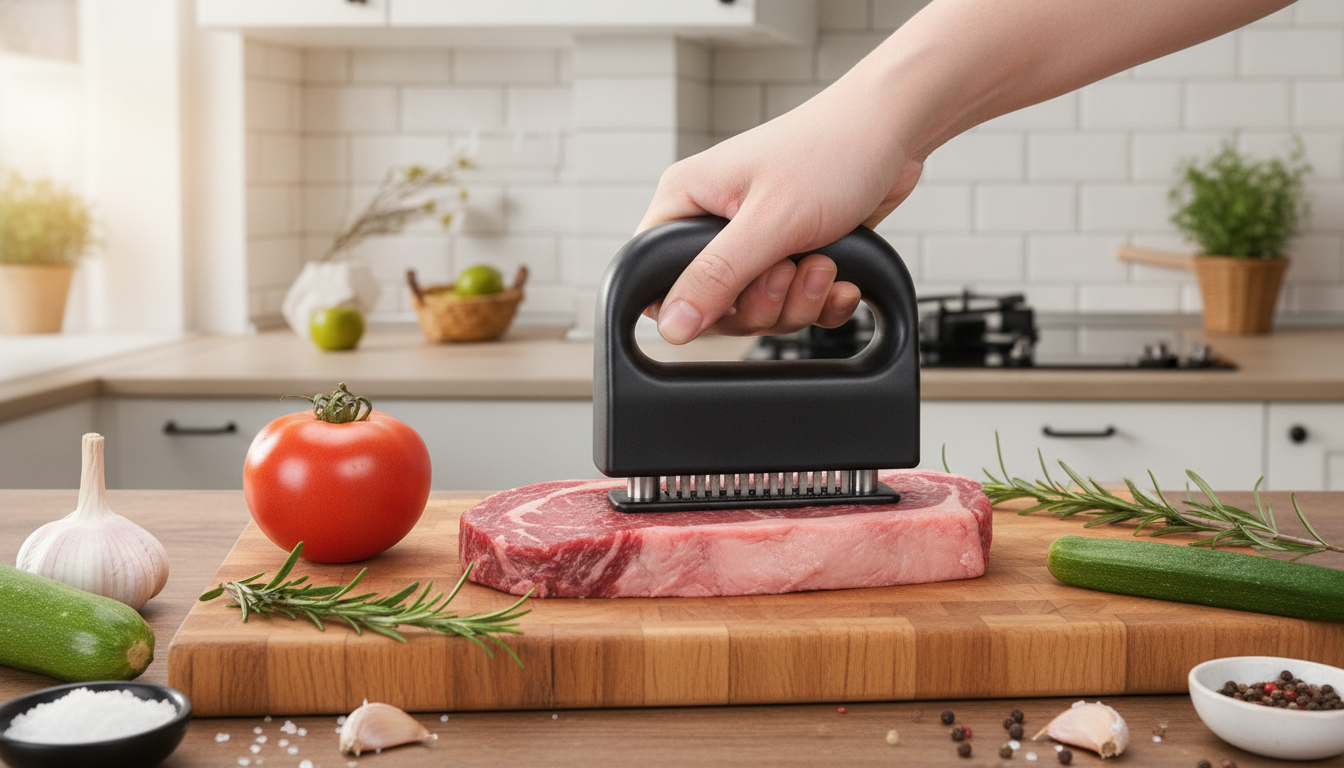
48-Blade Stainless Steel Meat Tenderizer Tool for Juicy, Flavorful Cooking
Tougher cuts don’t have to mean long marinades or slow braises. A multi-blade meat tenderizer creates tiny channels in the meat that soften bite, help seasoning reach deeper, and improve consistency on the grill or in a hot pan. When you want weeknight-friendly steak, pork chops that stay juicy, or chicken breast that cooks more evenly, a 48-blade stainless steel tool can make a noticeable difference without flattening the meat like a mallet.
If you’re ready to upgrade everyday cooking, the 48-Blade Stainless Steel Meat Tenderizer Tool is designed to tenderize quickly with even blade spacing—ideal for turning budget cuts into tender, flavorful meals.
What a 48-blade tenderizer actually does
A blade tenderizer works differently than pounding. Instead of smashing fibers thinner, it makes small, evenly spaced incisions that change how meat behaves during seasoning and cooking.
- Softens without flattening: The blades shorten muscle fibers and help disrupt connective tissue while keeping thickness and shape intact.
- Helps flavor go beyond the surface: Salt, dry rubs, and marinades can move into those micro-channels for more even seasoning.
- Encourages more consistent cooking: Because you’re not turning the meat into an uneven sheet, heat penetrates more predictably across the cut.
- Supports juicier results on lean cuts: If the meat becomes tender faster, it often spends less total time over heat—reducing moisture loss.
Best cuts and foods to tenderize (and when to skip it)
Blade tenderizing shines on cuts that are flavorful but naturally chewy, and it’s especially helpful when you want quick, high-heat cooking (searing, grilling, broiling) without a long wait.
- Great candidates: flank steak, skirt steak, chuck steak, round steak, thick pork chops, and chicken breast for grilling or pan-searing.
- Meal-prep friendly: Tenderize portions first, then season and refrigerate so dinner comes together faster.
- Skip or go very light: filet mignon and other naturally tender steaks, delicate fish, and very thin-cut meats that can tear or turn ragged.
- Braises and stews: Tenderizing can help, but low-and-slow cooking already breaks down collagen; focus on even cubing and a steady simmer.
Quick guide: recommended passes and cooking uses
| Food / Cut | Suggested passes per side | Best cooking methods | Notes |
|---|---|---|---|
| Flank or skirt steak | 1–2 | Grill, broil, sear | Slice against the grain after cooking |
| Chuck or round steak | 2–3 | Sear + finish, stir-fry | Use thinner portions for best results |
| Pork chops (thick) | 1–2 | Pan-sear, grill | Avoid piercing fat cap excessively to reduce flare-ups |
| Chicken breast | 1 | Grill, pan-sear, bake | Reduce time in marinade; it absorbs faster |
| Boneless lamb leg slices | 1–2 | Grill, pan-sear | Pair with dry brine for deeper seasoning |
How to use a blade meat tenderizer for consistent results
Consistency matters more than force. The goal is clean, even penetration—without shredding the surface or overworking delicate proteins.
- Start cold: Chill meat briefly so the surface stays firm and the blades make tidy incisions.
- Use a stable surface: Place meat on a cutting board; add parchment on top if you want less splatter while still allowing penetration.
- Press straight down: Use even pressure and lift straight up; avoid rocking or dragging so the pattern stays uniform.
- Work in sections: On larger cuts, overlap slightly to cover edge-to-edge without leaving untouched strips.
- Stop early: You can always do one more pass, but too many can turn some cuts (especially poultry) soft or mushy.
Seasoning and marinades after tenderizing
Once the channels are made, flavor moves faster—so a little strategy goes a long way.
- Dry brine for better browning: Salt the meat and rest 30–60 minutes (or longer refrigerated). This deepens seasoning and helps the surface dry for a stronger sear.
- Shorten marinade time: Because absorption speeds up, strongly acidic marinades (citrus, vinegar) can over-soften meat if left too long.
- Use rubs for big flavor: Apply a dry rub and rest 15–30 minutes so spices cling and penetrate without extra liquid.
- Watch sugar: Faster penetration means sugary sauces can scorch sooner; save sweet glazes for the last minutes of cooking.
Cooking tips to keep meat juicy and flavorful
For safe internal temperatures, follow the USDA’s guidance here: USDA FSIS — Safe Minimum Internal Temperatures.
Cleaning and food-safety practices for blade tenderizers
For a reliable kitchen safety framework, see: USDA FSIS — Clean, Separate, Cook, Chill.
When this tool shines: practical kitchen scenarios
To make prep even smoother when following recipes or cooking videos hands-free, a simple accessory like the Universal Magnetic Car Phone Holder Stand for Air Vent Mount can also work as a convenient stand on a counter (away from heat and splatter) for viewing timers and steps.
FAQ
Does a blade tenderizer make meat cook faster?
It can reduce the time needed to reach a tender bite and may help heat move through the cut more evenly, but exact cook time still depends on thickness and cooking temperature. Use a thermometer and rest the meat after cooking for the juiciest results.
Is it safe to use a blade tenderizer on steak and then cook it medium-rare?
Blade tenderizing can move surface bacteria into the interior, so safe handling and accurate temperature checks matter more than ever. Consider cooking mechanically tenderized meats to a higher internal temperature when food safety is a concern.
How many times should meat be tenderized with a 48-blade tool?
Most cuts do well with 1–3 passes per side depending on thickness and toughness. Start with fewer passes, especially for poultry or already-tender steaks, since over-tenderizing can affect texture.
Recommended for you



Hidden AirTag Bike Bell: Discreet Tracking & Safety
Jun 27, 2026













Leave a comment