-
Shop
- Adidas
- Advanced Technologies
- AI Skills Mastery 2026 Collection
- Apple Accessories
- Best-Sellers
- Car Accessories
- Dating & Social Confidence
- Dating & Social Skills
- Digital Resources
- Education & Learning
- Family & Parenting
- Fashion
- Fashion Accessories
- Furniture
- Gadgets
- Health & Beauty
- Health & Wellness
- Home & Garden
- Home Supplies
- Kids & Babies
- Kitchen Best-Sellers
- Lighting
- Nike
- Patio, Lawn & Garden
- Personal Growth
- Pet Care
- Pet Supplies
- Pets
- Shoes
- Sport & Outdoors
- Stress Relief & Relaxation
- Summer 2025 Fashion Collection
- Sunglasses
- Super Deals
- Travel
- Travel & Outdoors
- Wealth
- Wealth Building
- Women’s Wellness & Lifestyle
- Popular
- Best deals
66ft Drain Cleaning Cable: Reach and Safety Guide
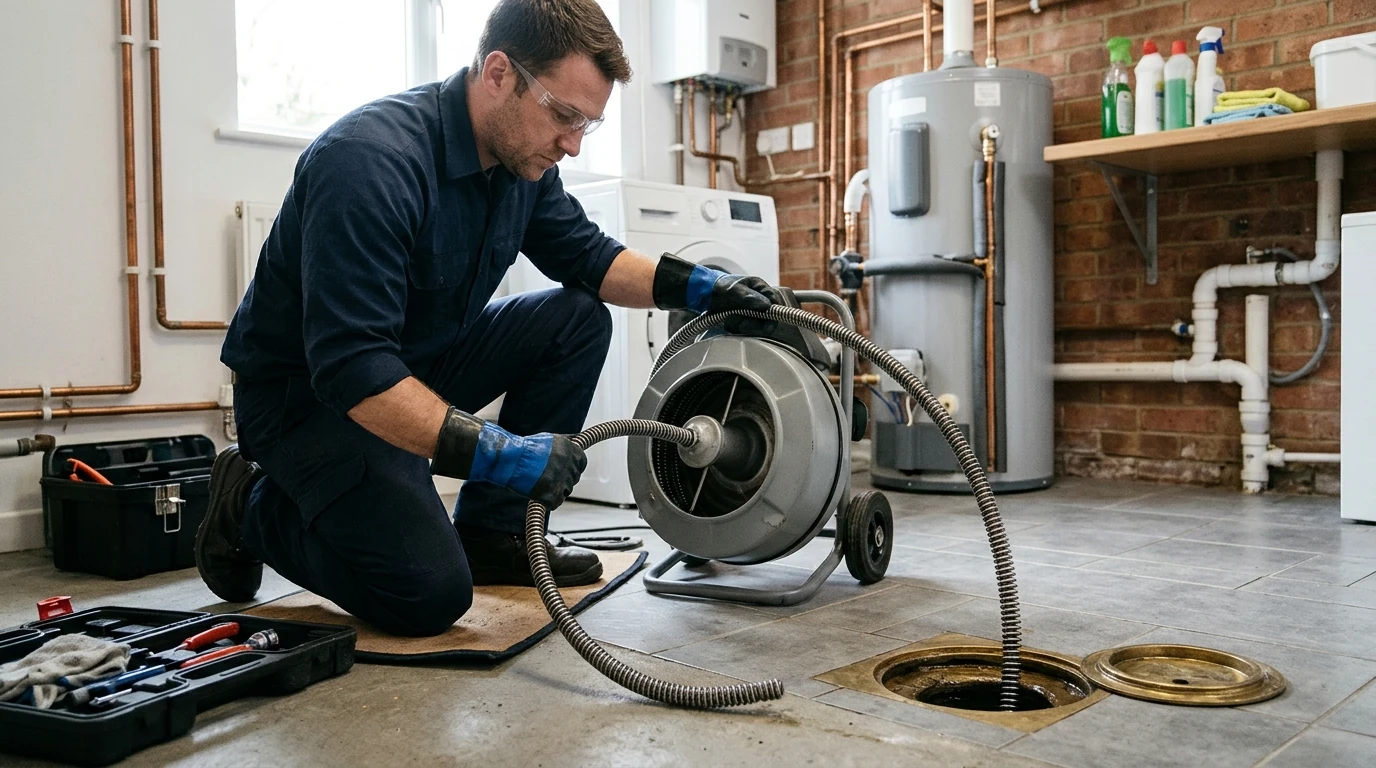
A blockage farther along a drain line can be difficult to reach with a short cable. Our 66ft Drain Cleaning Cable gives you more length to work with when the obstruction is beyond an easier access point. Before choosing it, consider the drain’s layout and make sure the cable is compatible with your equipment.
Extra reach is useful, but it does not make one cable right for every pipe. A careful setup, appropriate protective equipment, and a willingness to stop when something feels wrong are just as important as cable length.
What a 66ft Drain Cleaning Cable Offers
A 66-foot cable provides reach for drain lines where a shorter cable may not be sufficient. Depending on the location of the blockage and the path from your access point, that additional length can help you work farther into the line without relying solely on chemical cleaners.
Mechanical cleaning uses a cable to work at an obstruction. The result depends on the nature of the blockage, the pipe route, and the equipment you use. A long cable is not a guarantee that every obstruction can be cleared, and some problems require a plumber’s tools or inspection.
See our 66ft Drain Cleaning Cable for current purchasing details.
Product at a Glance
| Detail | Information |
|---|---|
| Product | 66ft Drain Cleaning Cable |
| Cable length | 66 feet |
| Listed price | $86.51 USD |
| Availability | In stock |
Price and availability can change, so confirm the current details before ordering. If you are also browsing other home products, our Infrared Sauna for One Person is available separately.
Check the Drain and Equipment Before You Start
Start by estimating how far the blockage may be from the point where you can introduce the cable. The distance along a pipe can be longer than the straight-line distance across a room, especially when the route includes bends or changes in direction. A cable that reaches the suspected area with room to maneuver can be more practical than one that falls short.
Length is only one part of the decision. Check the cable diameter and connector against the drain-cleaning machine manufacturer’s requirements. The cable also needs to suit the pipe and the access point you plan to use. Follow the equipment instructions for installing, operating, and removing the cable; do not assume that a connector will fit simply because it looks similar.
Consider the route through the drain, too. Tight bends and unsuitable access points can make a cable difficult to feed or retrieve. Do not force it through a bend or into a pipe that is not suitable for the cable. If you cannot determine the pipe route or equipment fit, ask a qualified plumber before proceeding.
A Careful Approach to Clearing a Blockage
Prepare the area before handling the cable. Clear away items that could get in your way, wear eye protection, and use gloves appropriate for the equipment and task. Keep other people clear of the work area, and follow the machine manufacturer’s directions for safe operation. The Occupational Safety and Health Administration’s hand and power tool guidance offers general safety information for tool users.
Feed the cable through the access point as directed by the equipment instructions. Work with control rather than trying to push through every point of resistance. If the cable binds, twists, or meets excessive resistance, stop and follow the manufacturer’s instructions. Forcing it can make retrieval more difficult and may damage the cable or drain.
Do not use a cable in a drain containing chemical cleaner. Cleaner can splash during the work and cause injury. Follow the chemical product’s safety instructions, and contact a professional if you are unsure whether it is safe to proceed. The CDC’s household chemical safety guidance provides additional precautions.
Once you have retrieved the cable, test the drain with water and watch for continued slow drainage or leaks. If the blockage persists, the cable cannot be safely retrieved, or you suspect pipe damage, stop and contact a plumber. Repeated attempts are not a substitute for identifying a damaged pipe or another underlying problem.
Cleaning and Storing Your Cable
After use, remove debris from the cable while following the equipment manufacturer’s care instructions. Keep your protective equipment on during cleanup, since material from the drain can remain on the cable and surrounding surfaces.
Allow the cable to dry before storage. Before the next use, inspect it for damage and follow the manufacturer’s instructions if you find a problem. Taking a few minutes to clean and inspect your equipment can make the next job easier to prepare for and help you avoid starting with a damaged cable.
FAQ
Is a 66ft drain cleaning cable suitable for every drain?
No. Suitability depends on the pipe, access point, cable diameter, and equipment compatibility. Check the relevant instructions before use.
Can I use a drain cleaning cable after pouring chemical cleaner down the drain?
Avoid cabling a drain that contains chemical cleaner because it can splash and cause injury. Follow the cleaner’s safety instructions and contact a professional if you are unsure how to proceed.
What should I do if the cable gets stuck?
Stop rather than forcing it, and follow the equipment manufacturer’s instructions. Contact a plumber if you cannot safely retrieve the cable.
Recommended for you


Levi’s Men’s Slip-On Jeans: Worn-In Style, No Fuss
Sep 30, 2026













Leave a comment