-
Shop
- Adidas
- Advanced Technologies
- AI Skills Mastery 2026 Collection
- Apple Accessories
- Best-Sellers
- Car Accessories
- Dating & Social Confidence
- Dating & Social Skills
- Digital Resources
- Education & Learning
- Family & Parenting
- Fashion
- Fashion Accessories
- Furniture
- Gadgets
- Health & Beauty
- Health & Wellness
- Home & Garden
- Home Supplies
- Kids & Babies
- Kitchen Best-Sellers
- Lighting
- Nike
- Patio, Lawn & Garden
- Personal Growth
- Pet Care
- Pet Supplies
- Pets
- Shoes
- Sport & Outdoors
- Stress Relief & Relaxation
- Summer 2025 Fashion Collection
- Sunglasses
- Super Deals
- Travel
- Travel & Outdoors
- Wealth
- Wealth Building
- Women’s Wellness & Lifestyle
- Popular
- Best deals
When Is a Knee Brace Not Recommended? Key Warning Signs
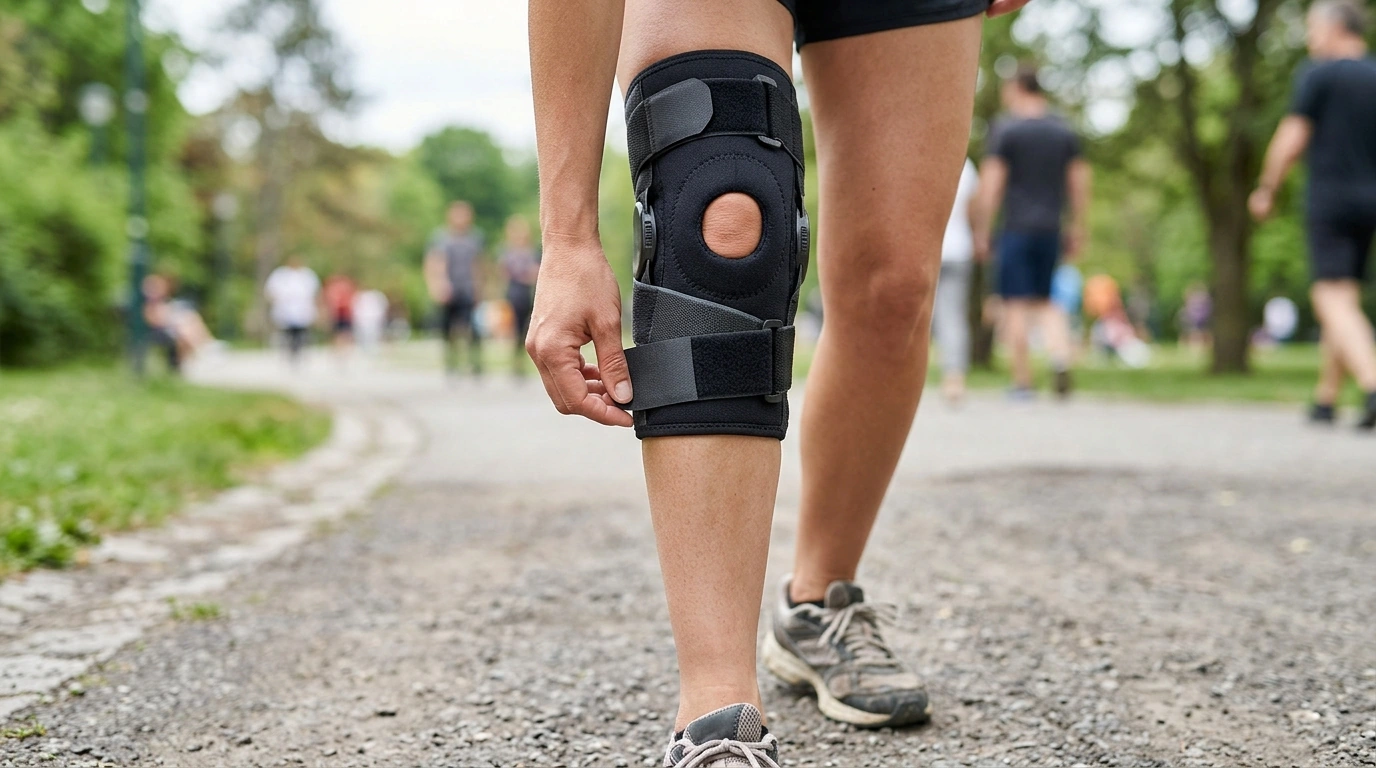
When is a knee brace not recommended?
A knee brace may not be the right choice when it causes pain, restricts circulation, irritates damaged skin, or delays care for a serious injury. A brace can provide support in some situations, but it cannot diagnose a knee problem or replace treatment.
If a clinician has prescribed a brace after an injury or surgery, follow their instructions rather than stopping or changing it on your own. If the brace causes a concerning symptom, contact your care team promptly.
When should you avoid wearing a knee brace?
When it causes numbness, swelling, or skin changes
A brace that is too tight can put pressure on nerves and interfere with circulation. Remove it if you notice new numbness, tingling, increasing swelling, or a foot that becomes cold or changes color. If symptoms persist after removal, seek prompt medical care.
You should also stop using a brace that rubs, pinches, or creates a rash. Avoid placing it over an open wound or infected skin unless a clinician has advised you how to protect and dress the area.
When you have an injury that needs urgent evaluation
Do not rely on a brace alone after a major injury, especially if your knee looks deformed, you cannot bear weight, or swelling develops rapidly. Seek urgent medical attention. A hot, swollen knee with fever also needs prompt evaluation because infection is possible.
After an injury, seek emergency care if your foot is cold, pale, or numb. These symptoms can signal a circulation or nerve problem that a brace will not fix.
When the brace restricts movement unnecessarily
Some braces limit bending or keep the knee straight. That restriction may be useful when prescribed, but unnecessary immobilization can contribute to stiffness and muscle weakness. Choose a support suited to your activity and condition, and follow a clinician’s guidance if you are recovering from an injury or surgery.
How can you choose knee support more safely?
For everyday activity, a comfortable sleeve may provide light support, while a hinged brace offers a different level of stability. The right option depends on why you need support. Our team recommends starting with a brace that stays in place without pinching or sliding, then monitoring how your knee and skin feel during use.
Explore our guide to knee brace types, fit, and relief for more help comparing options.
FAQ
Can you wear a knee brace all day?
That depends on the brace and why you use it. Follow your clinician’s instructions for a prescribed brace; otherwise, remove it periodically to check your skin and stop wearing it if discomfort or irritation develops.
Recommended for you

66ft Drain Cleaning Cable: Reach and Safety Guide
Nov 24, 2026
Toddler Daisy Tulle Dress: Summer Styling Guide
Nov 24, 2026













Leave a comment