-
Shop
- Adidas
- Advanced Technologies
- AI Skills Mastery 2026 Collection
- Apple Accessories
- Best-Sellers
- Car Accessories
- Dating & Social Confidence
- Dating & Social Skills
- Digital Resources
- Education & Learning
- Family & Parenting
- Fashion
- Fashion Accessories
- Furniture
- Gadgets
- Health & Beauty
- Health & Wellness
- Home & Garden
- Home Supplies
- Kids & Babies
- Kitchen Best-Sellers
- Lighting
- Nike
- Patio, Lawn & Garden
- Personal Growth
- Pet Care
- Pet Supplies
- Pets
- Shoes
- Sport & Outdoors
- Stress Relief & Relaxation
- Summer 2025 Fashion Collection
- Sunglasses
- Super Deals
- Travel
- Travel & Outdoors
- Wealth
- Wealth Building
- Women’s Wellness & Lifestyle
- Popular
- Best deals
Handmade Petal-Pleat Ceramic Vase for Tabletop Styling
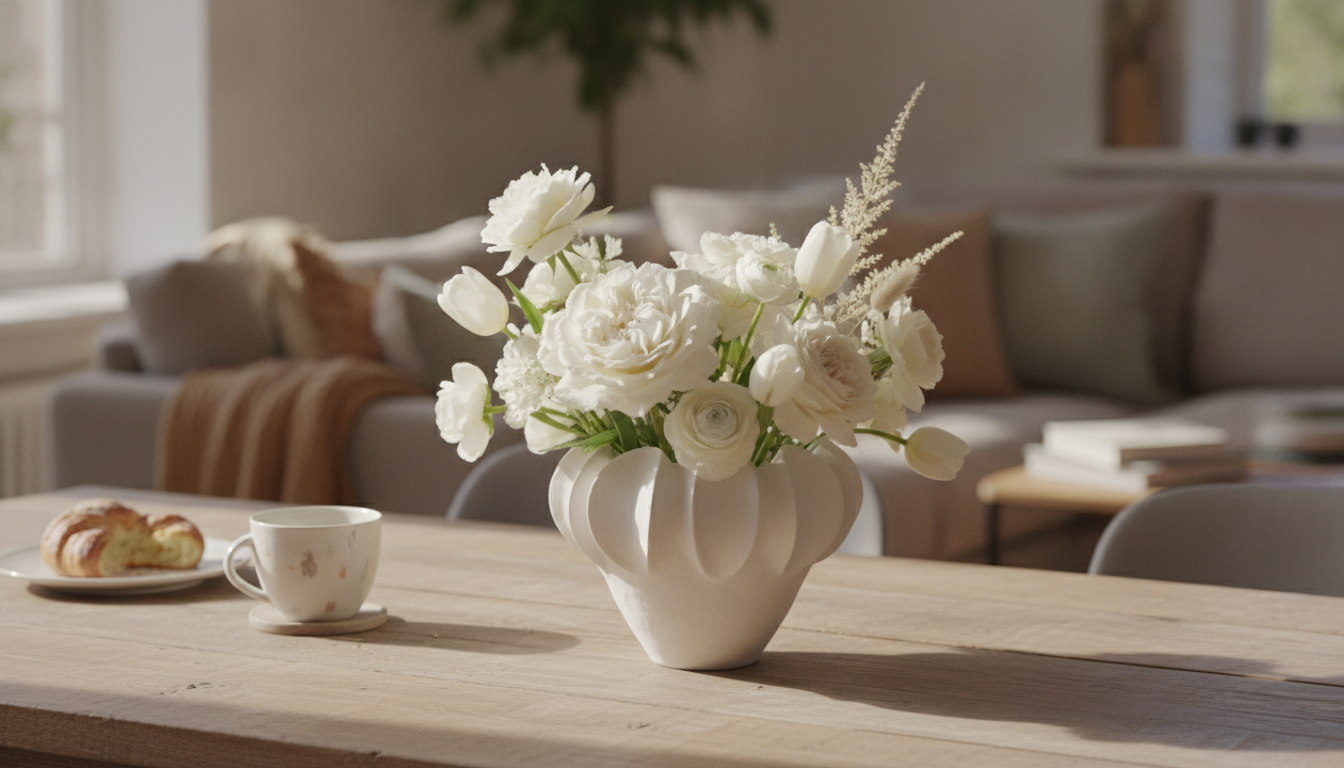
Handmade Ceramic Petal-Pleat Vase: A Sculptural Accent for Tabletop Flowers
Soft pleats, petal-like curves, and a hand-finished ceramic surface make this vase feel as much like a small sculpture as a functional vessel. Designed for tabletop styling, it adds texture and shape to shelves, console tables, dining settings, and bedside vignettes—whether filled with fresh stems, dried botanicals, or displayed on its own. If you enjoy décor that looks intentional without feeling fussy, the petal-pleat silhouette offers an easy way to bring movement and warmth to modern, minimalist, and soft-organic interiors.
What Makes the Petal-Pleat Shape Stand Out
The petal-pleat form is defined by a rhythmic, gathered surface—like overlapping petals wrapped around a vessel. It’s not just decorative; the pleats change how the piece reads from every angle.
- Pleated silhouette mimics overlapping petals for a layered, dimensional look.
- Sculptural form creates visual interest even without flowers, so it can stand alone as décor.
- Curved ridges catch light and shadow, adding depth to minimal spaces and neutral palettes.
- Works as a focal point or as part of a grouped arrangement with books, trays, and candles.
Because the pleats create gentle highlights and shadows, the vase can make even simple stems—like a single rose or a few tulips—look styled. In rooms with lots of straight lines (desk edges, shelving, picture frames), the curved ridges soften the overall look.
Where It Fits Best on a Tabletop
This silhouette is especially suited to places where you want a decorative moment without losing function. The goal is to keep the arrangement proportionate—letting the vase’s sculptural body remain visible while the stems add a finishing touch.
Tabletop Styling Ideas
| Location | Recommended stems | Styling tip |
|---|---|---|
| Dining table | Low tulips, ranunculus, eucalyptus | Keep height modest; center on a runner or tray |
| Coffee table | Dried pampas, bunny tails, mixed dried bouquet | Anchor with books; add one contrasting texture (wood/linen) |
| Entry console | Seasonal branches, hydrangea | Balance with a small bowl or lamp on the opposite side |
| Nightstand | Single rose, lavender, one leafy stem | Pair with a small coaster; leave negative space |
- Dining table: Use it as a compact centerpiece paired with low greenery to keep sightlines open during meals.
- Coffee table: Place it on a tray with a small stack of books for a balanced vignette that still leaves room for mugs and remotes.
- Entry console: Combine with a catchall dish and a framed photo for a welcoming moment that doesn’t feel crowded.
- Nightstand: A single stem or bud adds calm without clutter—especially helpful in small bedrooms.
- Home office: An organic shape softens straight lines from screens and desk accessories, making the workspace feel less sterile.
Material & Craft Details to Look For
Ceramic is a classic choice for tabletop vases because it feels substantial and stable. In a pleated form, the material also emphasizes the sculptural ridges in a way that glass often doesn’t—especially in matte or softly finished surfaces.
- Ceramic construction: Offers weight and stability for everyday surfaces like sideboards, shelves, and desks.
- Handmade finishing: Subtle variation makes each piece feel unique rather than factory-flat.
- Pleats with purpose: The ridges are more than decoration; they add grip and a structured, architectural feel.
- Best pairing: Simple stems or restrained bouquets that let the vase form stay visible.
To keep the pleats as the star, choose blooms with clean shapes: tulips, ranunculus, a short hydrangea cluster, or a few sprigs of eucalyptus. For dried arrangements, airy grasses and seed heads can echo the vase’s movement without overpowering it.
Care, Cleaning, and Daily Use
A handmade ceramic vase can stay beautiful with simple, consistent care. The biggest goal is to protect the surface finish and avoid residue buildup inside the vessel.
- Rinse with lukewarm water after use; avoid abrasive scrubbers that can dull the finish.
- Use a soft bottle brush for the interior if needed; dry thoroughly before storing.
- Protect delicate tabletops with a felt pad or coaster if the surface is prone to scratching.
- For dried arrangements, dust with a microfiber cloth to keep the pleats crisp-looking.
For general best practices on caring for ceramics and decorative objects, consult guidance from the Smithsonian’s Museum Conservation Institute and the Metropolitan Museum of Art. These recommendations are broadly applicable for keeping surfaces clean and minimizing wear.
Product Snapshot
- Name: Handmade Ceramic Petal Pleats Flower Vase for Tabletop Decoration
- Availability: In stock
- Best for: modern, minimalist, and soft-organic interiors; fresh or dried stems; sculptural display
- Gifting: A thoughtful option for housewarmings, birthdays, and hosts—especially paired with a small bundle of seasonal stems
At-a-Glance Details
| Item | Details |
|---|---|
| Product | Handmade Ceramic Petal Pleats Flower Vase for Tabletop Decoration |
| Price | 49.82 USD |
| Stock status | In stock |
| Use | Tabletop decoration; fresh or dried flowers |
More In-Stock Finds to Complement a Thoughtful Home Gift
- Infrared Sauna for One Person for a spa-like wellness corner at home.
- 28-Piece Natural Hair Makeup Brush Set for a polished vanity setup that feels elevated and organized.
- Crime London Men’s White Leather Shoes for a clean, modern wardrobe staple that fits a minimalist aesthetic.
FAQ
Can this vase be used for fresh flowers with water?
Yes. It’s designed to function as a vase, so you can add water for fresh stems; after use, rinse it with lukewarm water and dry it thoroughly to keep the ceramic looking its best.
What flowers look best in a pleated, petal-shaped vase?
Simple arrangements tend to look best—single stems, tulips, ranunculus, a short hydrangea cluster, or airy dried grasses. Keeping the bouquet restrained helps the sculptural pleats remain visible.
How should it be cleaned without damaging the finish?
Use lukewarm water with mild soap and a soft cloth or bottle brush, and avoid abrasive scrubbers or harsh chemicals. Dry completely and consider placing it on a coaster or felt pad if your tabletop is delicate.
Recommended for you
Copper Double Pin Genuine Leather Belt: Fit & Style
Jul 15, 2026









Leave a comment