-
Shop
- Adidas
- Advanced Technologies
- AI Skills Mastery 2026 Collection
- Apple Accessories
- Best-Sellers
- Car Accessories
- Dating & Social Confidence
- Dating & Social Skills
- Digital Resources
- Education & Learning
- Family & Parenting
- Fashion
- Fashion Accessories
- Furniture
- Gadgets
- Health & Beauty
- Health & Wellness
- Home & Garden
- Home Supplies
- Kids & Babies
- Kitchen Best-Sellers
- Lighting
- Nike
- Patio, Lawn & Garden
- Personal Growth
- Pet Care
- Pet Supplies
- Pets
- Shoes
- Sport & Outdoors
- Stress Relief & Relaxation
- Summer 2025 Fashion Collection
- Sunglasses
- Super Deals
- Travel
- Travel & Outdoors
- Wealth
- Wealth Building
- Women’s Wellness & Lifestyle
- Popular
- Best deals
Are Grundfos Pumps Stainless Steel? Materials Explained
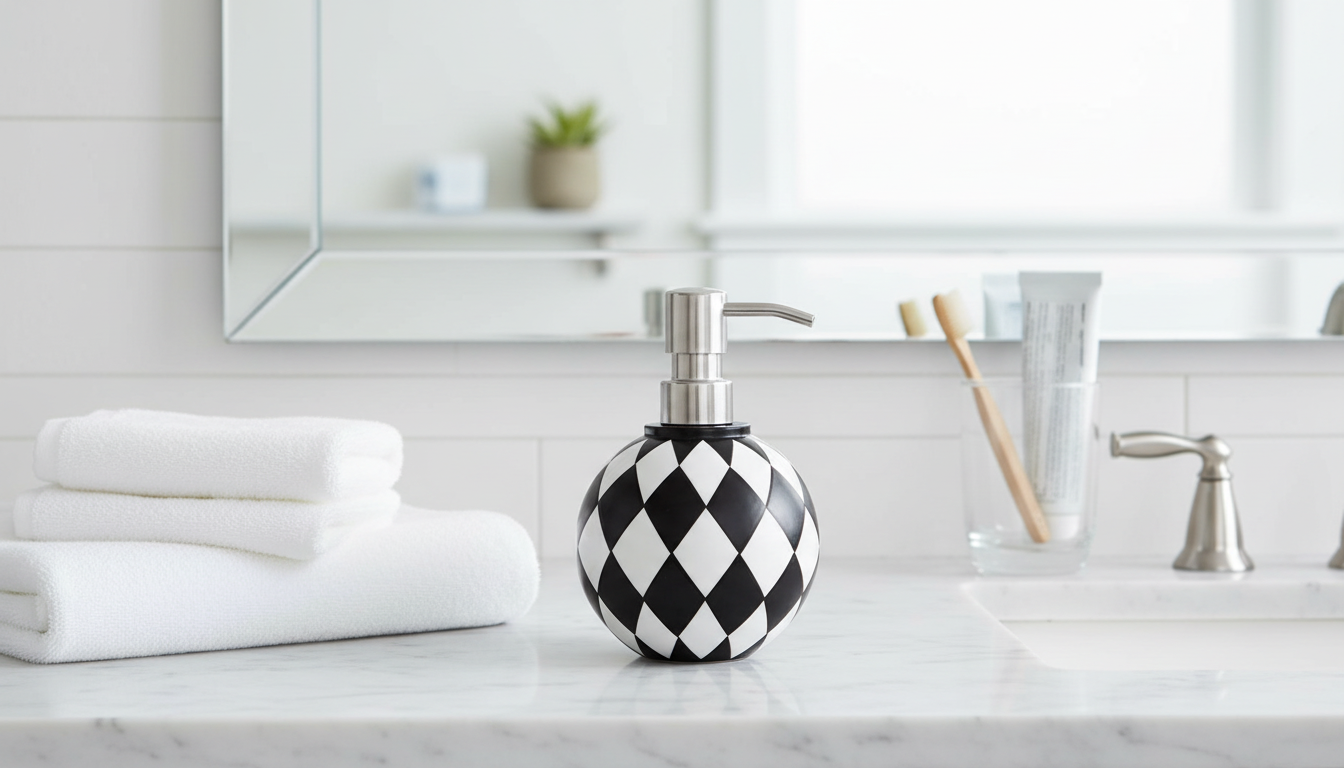
Are Grundfos pumps stainless steel?
Some Grundfos pumps use stainless steel parts, but not all Grundfos pumps are fully stainless steel. Whether a specific model is stainless depends on the pump series, what the pump is designed to move (clean water, chemicals, hot water, etc.), and which components are exposed to the liquid.
In many Grundfos product lines, stainless steel is commonly used for wetted components like the pump housing, impeller, or shaft—especially in pumps built for corrosion resistance or sanitary applications. In other models, you may find cast iron, composite materials, or coated metals used instead, particularly where corrosion risk is lower or cost and weight are priorities.
How to tell if a specific Grundfos pump is stainless steel
The most reliable way is to check the model’s technical documentation for “materials” or “wetted parts” (sometimes listed as “liquid end materials”). Look for material callouts such as “stainless steel,” “AISI 304,” or “AISI 316.” If the listing specifies stainless only for certain parts, the pump is not fully stainless—only those components are.
If you’re comparing pumps for a wet, splash-prone environment (like around sinks), focus on stainless steel where it matters most: the parts exposed to water and the exterior surfaces that can rust or pit over time.
Why stainless steel matters for wet areas
Stainless steel generally handles moisture better than standard steel and helps reduce corrosion, staining, and premature wear. That’s a big advantage for anything used near a sink, in a utility room, or anywhere water drips and humidity are constant.
For a practical look at stainless steel hardware in a sink-side setup—especially choosing a stainless steel pump that resists drips and corrosion—see this guide: https://majorille.com/guide-stainless-steel-pump-soap-dispenser-no-drip-sink-upgrade/.
What to confirm before buying
Before purchasing, confirm (1) which parts are stainless, (2) which grade (304 vs 316) is used for wetted components, and (3) whether the exterior finish is also stainless or just coated. If the pump will see salt air, harsh cleaners, or chemical exposure, 316 stainless is often the safer choice than 304.
FAQ
What’s the difference between 304 and 316 stainless steel for pumps?
304 stainless is corrosion-resistant for many everyday water applications, while 316 stainless adds better resistance to chlorides and harsher environments. If the pump will be exposed to salt air, pool water, or aggressive cleaners, 316 is typically more durable.












Leave a comment