-
Shop
- Adidas
- Advanced Technologies
- AI Skills Mastery 2026 Collection
- Apple Accessories
- Best-Sellers
- Car Accessories
- Dating & Social Confidence
- Dating & Social Skills
- Digital Resources
- Education & Learning
- Family & Parenting
- Fashion
- Fashion Accessories
- Furniture
- Gadgets
- Health & Beauty
- Health & Wellness
- Home & Garden
- Home Supplies
- Kids & Babies
- Kitchen Best-Sellers
- Lighting
- Nike
- Patio, Lawn & Garden
- Personal Growth
- Pet Care
- Pet Supplies
- Pets
- Shoes
- Sport & Outdoors
- Stress Relief & Relaxation
- Summer 2025 Fashion Collection
- Sunglasses
- Super Deals
- Travel
- Travel & Outdoors
- Wealth
- Wealth Building
- Women’s Wellness & Lifestyle
- Popular
- Best deals
Keep Your Dog Cool in Hot Weather: Summer Safety Tips
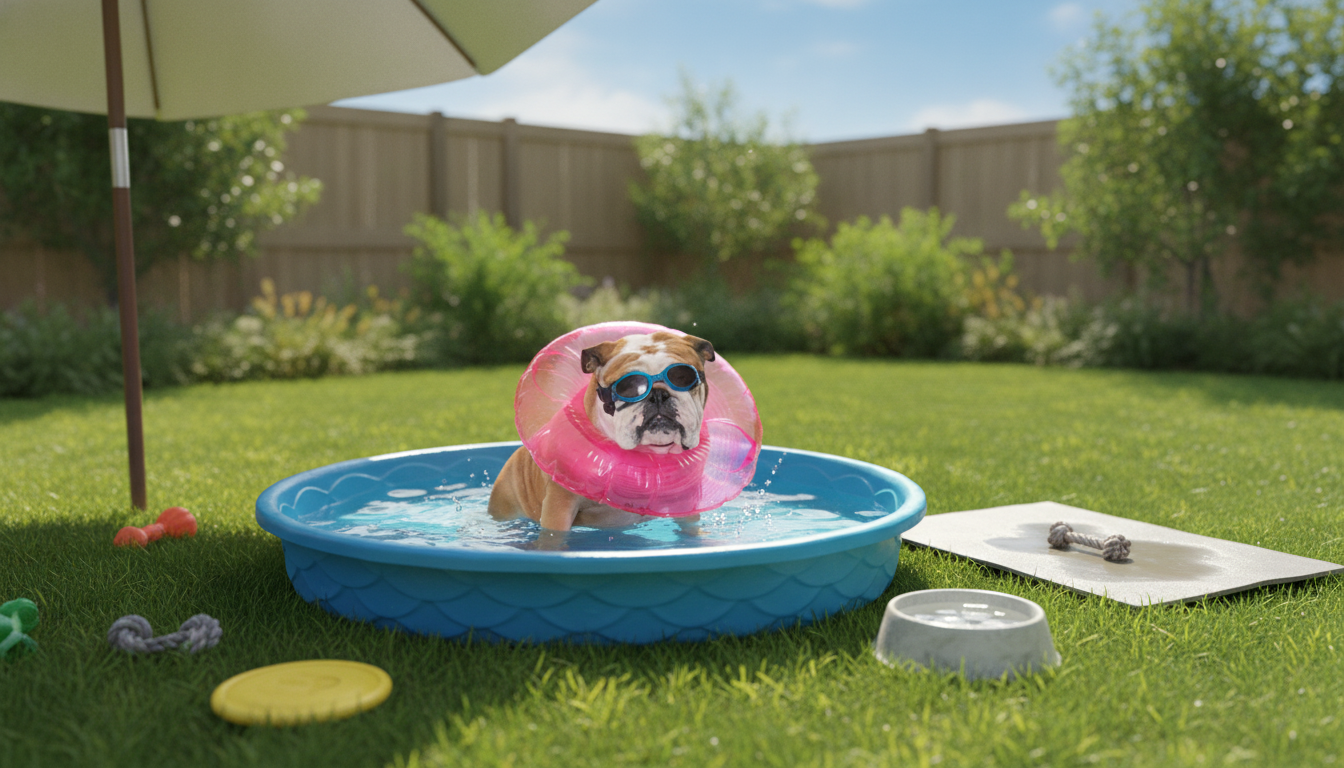
Paws and Cool: Keeping Your Dog Comfortable in Hot Weather
Hot weather can overwhelm a dog faster than many people expect. Temperature, humidity, sun exposure, and pavement heat all add up—especially for puppies, seniors, flat-faced breeds, and dogs with thick coats. Below are practical ways to lower heat stress, spot early warning signs, and build safer summer routines for walks, playtime, travel, and backyard lounging.
Why Dogs Overheat So Quickly
Dogs don’t sweat the way people do. Their main cooling system is panting, which moves air over moist surfaces in the mouth and airway to release heat. When humidity is high, that process becomes less effective, so a “warm” day can feel dangerously hot to your dog.
Some dogs carry higher risk in heat: brachycephalic (flat-faced) breeds, overweight dogs, seniors, puppies, and dogs with heart or airway conditions. Dark coats, thick undercoats, and high activity levels can also increase heat load. Heat isn’t only an outdoor problem—dogs can overheat indoors in stuffy rooms, sunrooms, or anywhere airflow is poor, and cars can become life-threatening quickly.
Heat Danger Signs and What to Do Immediately
Heat stress usually starts subtly. Early signs include heavy panting, drooling, restlessness, seeking shade, slowing down on walks, or refusing to continue. If the situation worsens, you may see bright red or very pale gums, vomiting or diarrhea, weakness, wobbling, confusion, collapse, or seizures.
Immediate first steps
Move your dog to shade or air conditioning right away. Offer small sips of cool water (avoid letting them gulp a large amount). Wet the body with cool—not icy—water, focusing on the belly, inner thighs, and paws, and use a fan if available to speed evaporation.
When to seek urgent veterinary care
If symptoms are moderate to severe, or your dog isn’t improving within minutes, contact a veterinarian immediately. Heatstroke can progress fast and may require professional treatment. For additional guidance, see the American Veterinary Medical Association’s hot weather safety recommendations.
Pavement, Sun, and the Real Feel: A Quick Safety Check
Pavement can burn paw pads even when the air temperature feels manageable. Asphalt and concrete absorb and radiate heat, and a dog’s paws are in direct contact the whole walk.
The hand test
Place the back of your hand on the surface for several seconds. If it’s too hot for you, it’s too hot for paws. Choose grass, dirt, shaded routes, or shift walks to cooler hours like early morning and evening.
Helpful protective habits include keeping nails trimmed for steadier footing (less slipping and “panic hopping” on hot ground) and checking paws after walks for redness, cracks, or tenderness.
Summer conditions and safer choices
| Condition | Risk | Safer alternative |
|---|---|---|
| High humidity | Panting cools less effectively | Shorter walks, more shade breaks, indoor enrichment |
| Midday sun | Rapid overheating, sunburn on light noses/ears | Walk at dawn/dusk, seek tree cover |
| Hot asphalt/concrete | Paw burns, joint strain from hopping/avoiding heat | Grass trails, shaded sidewalks, booties if needed |
| Car parked “for a minute” | Temperature spikes quickly, life-threatening | Leave pets at home or ensure continuous AC and supervision |
| Hard play (fetch) in heat | Overexertion, heatstroke risk | Short sessions, water breaks, sniff walks, water games |
Cooling Essentials for Home and Yard
Start with hydration. Set up multiple water stations, refresh them often, and bring a travel bowl for outings. Some dogs drink more readily if water is kept cool and placed where they naturally rest.
Create cooling zones indoors: fans to improve airflow, air conditioning when possible, blackout curtains to reduce solar heat, and access to cool tile or a shaded area. Outdoors, prioritize shade and limit time on hot surfaces.
Safer Walks, Exercise, and Play in Summer
Water play can help, but it can also lead to overexcitement. Keep sessions short, watch breathing closely, and take breaks. After swimming, dry ears to reduce irritation and rinse off chlorine or saltwater. For more hot-weather safety reminders, the ASPCA’s hot weather safety tips are a useful reference.
Travel, Events, and Outdoor Errands
When traveling, identify the nearest emergency veterinary clinic in advance. If you want another trusted overview of heatstroke risks and response, the RSPCA’s heatstroke advice is a helpful read.
Grooming and Coat Care for Hot Weather
A Simple Summer Routine That Works
Morning
Midday
Evening
Recommended Summer Helpers (In Stock)
If you want a handy reference to keep on your phone or share with family members, consider Paws and Cool: Keeping Your Dog Comfortable in Hot Weather – Essential Guide to Summer Safety for Dogs.
For unpredictable summer storms or cooler evenings after a swim, a lightweight layer can help some dogs stay comfortable—see Waterproof Dog Coat for Small and Medium Dogs – Lightweight and Warm.
FAQ
How can heatstroke be prevented during summer walks?
Walk during cooler hours (dawn or dusk), pick shaded routes, and keep outings shorter when humidity is high. Build in frequent shade breaks with small drinks of water, and turn back early if you notice heavy panting, slowing down, or reluctance to continue.
Is it safe to use ice water or ice baths to cool an overheated dog?
Use cool (not icy) water and gradual cooling; extreme cold can be stressful and may worsen circulation issues. Move to shade or AC, wet the body with cool water, use a fan, and contact a veterinarian promptly if symptoms are more than mild or aren’t improving quickly.
How hot is too hot for walking a dog on pavement?
Use the hand test on asphalt or concrete—if you can’t hold the back of your hand on the surface for several seconds, it’s too hot for paws. Choose grass or shaded paths, or shift walks to early morning or evening.
Recommended for you

Heart Shaped Ceramic Plate Ideas for Sweet Serving
Jun 20, 2026













Leave a comment